Heal Unhealthy Relationship Patterns
Betrayal Trauma California Experienced Therapist
Specialized, structured therapy for high-functioning individuals and couples
dealing with codependency, betrayal trauma, high-conflict relationships,
and seeking trusted therapy for trauma in California.
This is Not Traditional Talk Therapy
You may be repeating the same painful relationship patterns. You may feel stuck between staying and leaving. Trust has been broken, and you don't know how to repair it. You give too much and lose yourself in relationships. Communication turns into conflict or shutdown.
Therapy Specialties & Services
Each of us is shaped by the experiences we go through in life. Understanding how those experiences connect can lead to deeper healing, personal growth, and healthier relationships. I provide professional counseling services in the areas listed below:
Codependency & Love Addiction
Counseling
Both love addiction and codependency are also known as relationship addiction. Trying to get identity and self-worth from a person. This could also include a child or adult child, friendship, coworkers, siblings, and not necessarily only in romantic relationships.
Love & Relationship Counseling
Healthy relationships require more than communication skills. They require an understanding of the deeper emotional patterns that shape how we attach, protect ourselves, and respond to conflict. Many of the struggles couples face are rooted in attachment patterns developed early in life.
Parenting & Family Counseling
Dysfunctional caregivers do not respond appropriately to children’s five natural attributes of value, vulnerability, imperfection, dependency, and immaturity. Instead, these caregivers either ignore or attack children for the very essence of who they are, creating an intense experience of shame in the children.
Experienced San Diego Psychotherapist | Relationship & Trauma Expert | 28 Years of Clinical Experience
Robyn Firtel is a highly experienced San Diego psychotherapist, licensed marriage and family therapist, and relationship and trauma specialist with 28 years of experience helping individuals, couples, and families heal and transform their lives.
Known for her compassionate yet direct therapeutic approach and extensive expertise in complex relationship dynamics, Robyn has dedicated nearly three decades to helping clients overcome emotional trauma, break unhealthy relationship patterns, and achieve meaningful, lasting change.
Robyn has pursued advanced professional training directly under Pia Mellody, a world-renowned pioneer in codependency, developmental trauma, and relational recovery. Her specialization in Post-Induction Therapy (PIT) allows her to address the underlying childhood wounds and family-of-origin experiences that often contribute to adult struggles with intimacy, self-worth, addiction, and relationships.
With nearly three decades of clinical experience, Robyn has developed extensive expertise in betrayal trauma, codependency, love addiction, love avoidance, generational trauma, and marriage and family counseling.
Her professional background also includes working with multiple generations of families, facilitating transformational therapeutic intensives and workshops, and serving as a correctional marriage and family therapist within the prison system.
What distinguishes Robyn's work is her ability to help clients move beyond simply understanding their problems to identifying and healing the deeper emotional wounds that keep painful patterns alive.
Her approach combines clinical experience, specialized trauma training, compassion, and structured therapeutic methods designed to create lasting emotional and relational change.
Robyn offers in-person psychotherapy in the San Diego area and online therapy throughout California, helping individuals and couples build healthier relationships, restore emotional connection, and experience meaningful personal growth.
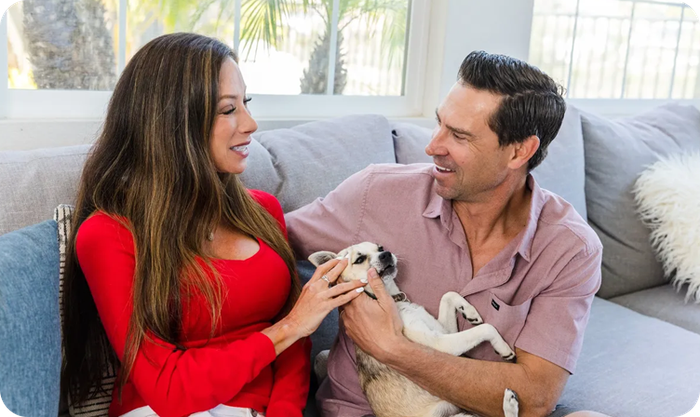

Specialized Trauma Support
Experienced in couples trauma therapy and emotional healing

Codependency Recovery
Focused codependency therapy for healthier emotional boundaries

Personalized Counseling
Tailored therapy approaches for individuals, couples, and families

Betrayal Trauma Specialist
Trauma-informed care promotes connection, trust, and personal growth
Counseling Session
Options & Pricing
Explore supportive therapy options for individuals and couples seeking trusted relationship counseling and emotional healing services focused on healthier relationships and personal growth.


Take my Love Addiction Quiz to learn More about yourself.
If you’re suffering, there is hope. Your first step is to take our quiz. I’m going to ask you some personal questions to help you take the first
step toward your future. You can count on my discretion. Trust that I will keep these answers completely confidential, and
I will only use them to formulate your quiz results. If you would like additional guidance or support, feel free to
get in touch to learn more about available therapy sessions and counseling services.
Frequently Asked Questions
How can emotional healing services improve unhealthy relationship patterns?
Emotional healing services help individuals and couples understand emotional triggers, improve communication, build healthier boundaries, and create stronger emotional connections.
What is couples therapy, and how does it help?
Trauma therapy for couples helps partners work through betrayal, emotional pain, trust issues, and unresolved trauma while rebuilding healthier relationship dynamics together.
Can therapy for emotional trauma in California be as effective as in-person sessions?
Yes, therapy for emotional trauma in California offers the same professional guidance and emotional support while providing greater flexibility and comfort for clients.
What are the signs of codependency in a relationship?
Common signs include difficulty setting boundaries, fear of abandonment, people-pleasing behaviors, emotional dependency, and losing your identity within relationships. Through professional relationship counseling, individuals can better understand these patterns and develop healthier ways of relating to themselves and others.
How do I start healing from emotional trauma and relationship stress?
Healing begins by understanding past experiences, recognizing unhealthy emotional patterns, and working with a therapist to build healthier coping and relationship skills. If you are feeling alone while dealing with these challenges, you can reach out and book a session for compassionate professional support.
Kind Words From Clients
Emily Carter
6 months ago
I started therapy feeling emotionally exhausted and stuck in unhealthy relationship patterns. The support and guidance I received completely changed how I view myself and my relationships. I finally feel confident setting healthy boundaries.
Michael Reynolds
6 months ago
Our couples' sessions helped us communicate in ways we never could before. We learned how past emotional trauma was affecting our relationship, and now we feel more connected and understood.
Sophia Martinez
6 months ago
I was struggling with codependency and anxiety for years before reaching out. The sessions gave me clarity, emotional strength, and practical tools that genuinely improved my daily life and relationships.
Daniel Thompson
6 months ago
The online trauma therapy sessions were incredibly supportive and comfortable. I appreciated the compassionate approach and how every session felt personalized to my emotional healing journey.
Get In
Touch With Us
Contact Us
Blog Articles By Robyn Firtel